Start with the material and deposit, not the machine
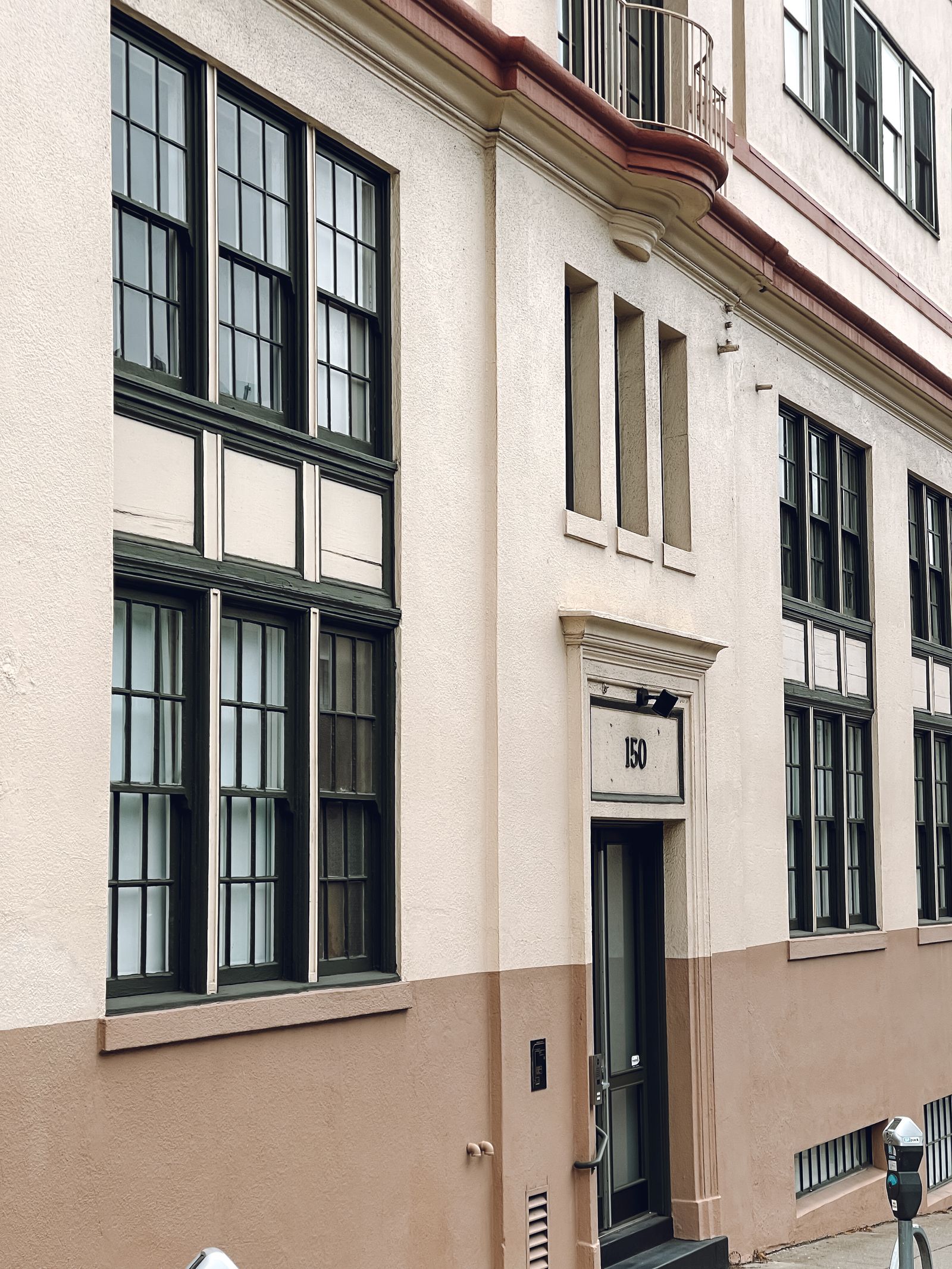
Stucco, painted plaster, EIFS, brick, concrete, stone, wood accents, metal, glass, tile, awnings, signs, and sealants do not have the same tolerance for force or chemistry. A pressure setting that works on a sound loading pad may damage painted trim, open a joint, scar soft masonry, or drive water behind a coating. A soft-wash treatment suitable for organic film on stucco may not remove mineral scale from glass, oxidation from metal, or corrosion from a railing. The proposal should assign a method to each material and elevation rather than naming one method for the whole building.
Ask what the deposit actually is. Riverside exteriors may show dust, smog film, pollen, bird residue, algae-like growth, irrigation minerals, efflorescence, oxidation, exhaust, or a failed drainage detail. A dark mark is not enough to select pressure. A small test area observed after drying can show whether the condition responds to a compatible treatment, controlled pressure, hand detail, specialty restoration, or repair. It also prevents the crew from escalating force simply because the first pass did not address the source.
- Request the material, deposit, method, and expected dry finish for every priority elevation.
- Separate facade washing from glass polishing, hardscape cleaning, restoration, and repairs.
- Use a test area when coating history, substrate condition, or deposit type is uncertain.
- Treat irrigation minerals, oxidation, and drainage defects as different conditions from loose dust.
Where soft washing can make sense in Riverside
Soft washing uses a lower-impact application approach and compatible cleaning solution to loosen suitable organic or atmospheric soil before a controlled rinse. It can be a useful starting point for pollen, bird residue, light biological film, and dust-laden facade soil on compatible stucco, masonry, painted surfaces, and some coated panels. The process still needs a material review, test, dwell control, protection, rinse plan, and dry inspection. Lower pressure does not mean no risk, and a chemical label does not replace site controls.
A Downtown office or Riverside Plaza storefront may use soft washing on broad facade areas while entrances, glazing, signs, patios, and pedestrian routes receive separate treatment. An Arlington retail center or University-area medical office may need a lower-impact approach where customer and patient movement make aggressive overspray undesirable. An industrial building may use it on compatible upper walls while loading pads and oil-affected concrete are handled separately. The goal is a predictable appearance with protection, not a promise that every stain disappears.
Soft washing still moves water and removed soil. Protect doors, air intakes, landscaping, storm inlets, vehicles, customer routes, neighboring parcels, and public sidewalks. Inland Empire heat can shorten dwell time and speed drying, while Santa Ana winds can move spray and dust toward people or sensitive surfaces. The method is appropriate only when the full plan fits the property.
Where controlled pressure can make sense
Controlled pressure may fit sound concrete approaches, loading pads, durable pavers, parking decks, and selected service areas that have been inspected for damage and drainage. It can be effective where bonded soil needs mechanical action, but pressure, nozzle, distance, flow, and operator movement still need to match the substrate. It should not automatically extend from a concrete apron to adjacent stucco, glass, painted trim, historic details, signs, or sealants.
Riverside's shared parking, public sidewalks, customer entrances, patient drop-offs, and loading lanes can make runoff and overspray as important as the surface itself. Pressure may require smaller zones, temporary access controls, dry cleanup, inlet protection, recovery, or a different schedule. Compare those controls alongside expected finish and production time rather than comparing only a headline price per square foot.
Pressure will not reliably remove oxidation, corrosion, hard-water scale, failed paint, efflorescence, or an active leak. Increasing force can worsen the appearance and create a repair. If a test area shows the deposit is not responding, the recommendation should explain why and identify specialty treatment or repair rather than treating more aggressively by default.
Include heat, wind, high access, and occupied routes
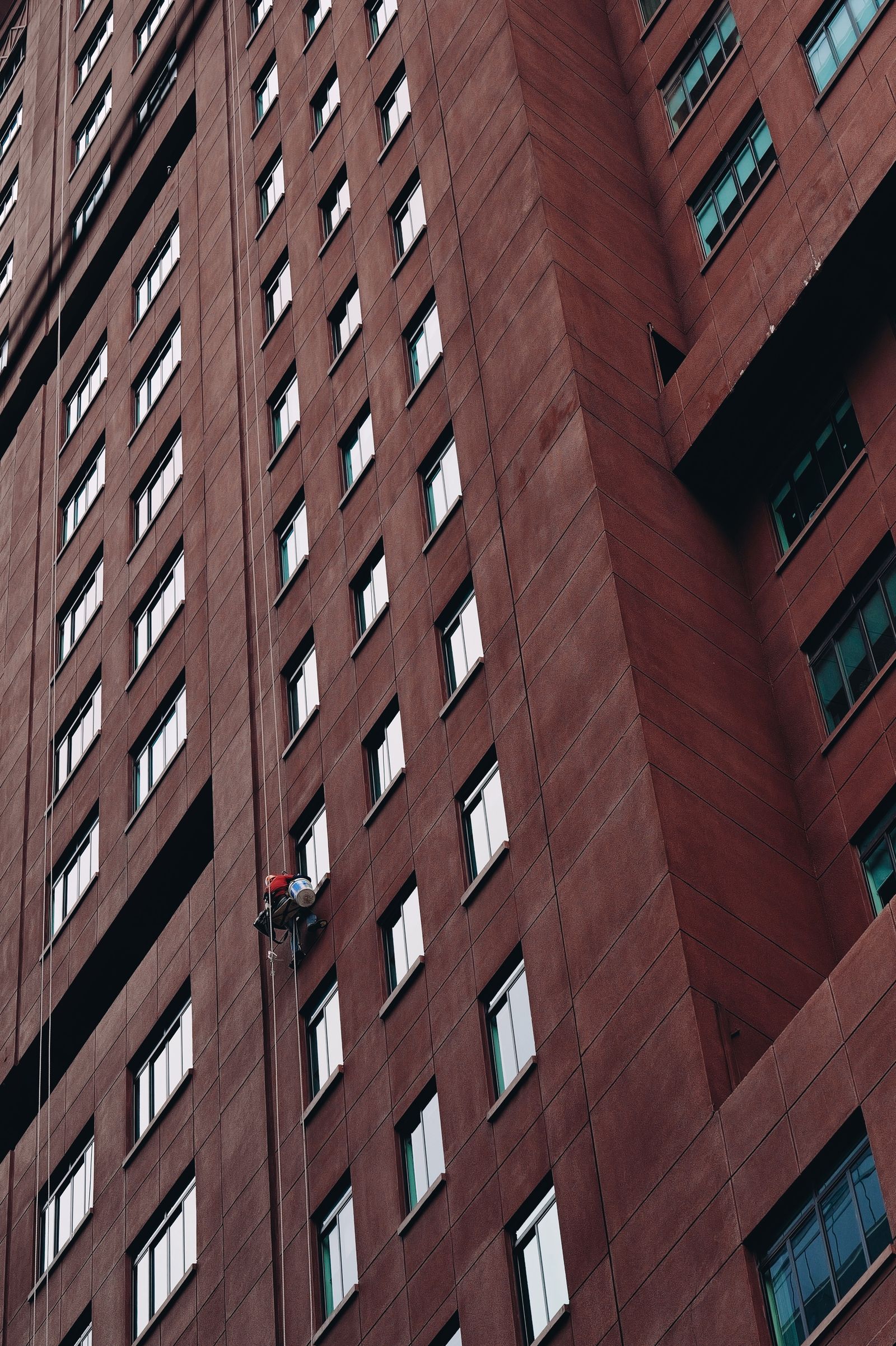
Aerial wetting or rinsing may support a broad upper elevation when visual control, stand-off distance, secure launch space, manageable wind, suitable visibility, water access, and a protected ground boundary are workable. It may reduce some lift repositioning at a hotel, office, campus facility, or warehouse. It does not provide contact finish for glass, recessed details, bonded deposits, fragile trim, or repairs. The quote should state where aerial support is feasible and what grounded method takes over if it is not.
Freeway and rail corridors, power lines, trees, cranes, rooftop equipment, balconies, narrow pedestrian areas, and neighboring occupied properties can affect an aerial plan. Current FAA requirements and any applicable airspace authorization still apply. Property permission is not a substitute for aviation compliance. Heat, Santa Ana winds, rain, visibility, and public traffic should be treated as real hold points. Technology should never replace a clear ground boundary, spotter role, pause authority, and backup method.
Access equipment matters even when a drone is considered. A lift may be useful for contact detail but require a firm surface, parking control, and clearance. A water-fed pole may suit some glazing but not bonded deposits or repairs. Roof access can introduce fall-protection and building-management requirements. Compare access and finish together so the selected method is practical for the actual elevation and the operating day.
Compare water, drainage, and people protection
Both soft washing and pressure washing use water, move removed soil, and can affect drainage. Trace roof drains, balcony scuppers, downspouts, curb inlets, low points, landscaped beds, irrigation, doors, air intakes, electrical equipment, vehicles, and neighboring parcels before selecting a method. Riverside Public Utilities' conservation guidance makes uncontrolled runoff and wasteful potable-water use relevant to the planning conversation. A visible grate does not automatically mean wash water can be discharged there.
Ask how the contractor will protect shoppers, pedestrians, diners, patients, students, tenants, vehicles, and accessible travel. Downtown and Plaza properties need arrival and event coordination. Medical properties need patient drop-offs and emergency paths. Industrial sites need production and loading controls. The plan should name the working window, protected boundary, hose route, spotter, pause authority, and handback standard.
The quote should state water source, solution and rinse assumptions, expected flow, protection or recovery, disposal assumptions, and the stop condition if runoff travels differently than expected. Controls may include dry cleanup, reduced flow, inlet protection, diversion, monitored recovery, filtration, or an approved disposal arrangement. A detailed scope is more useful than a vague promise of environmentally friendly cleaning.
- Compare method by material, deposit, height, access, weather, and expected dry finish.
- Require a runoff and people-protection plan for public-facing Riverside properties.
- Ask which elevations need a lift, pole, hand detail, specialty treatment, or repair.
- Require a grounded backup whenever wind or airspace can change an aerial plan.
Use a Riverside test area and written scope to decide
A useful test area is large enough to judge but controlled enough to protect the property. Inspect it after drying and in the light customers or tenants see. Record the surface, deposit, treatment, dwell, pressure, rinse, protection, access, weather, and result. If the result is limited by corrosion, scale, oxidation, failed coating, or damage, the owner can make an informed repair or restoration decision instead of asking a washing crew to keep increasing force.
The written scope should name building areas, materials, visible conditions, method by zone, access equipment, aerial limits, water and runoff assumptions, operating controls, weather holds, expected finish, exclusions, and closeout. A blended plan may be the best answer: soft washing for compatible facade soil, controlled pressure for inspected durable hardscape, hand detail for entrances and glass, and a separate recommendation for corrosion, sealants, roof drainage, or damaged coatings.
For a Riverside quote, send the address, photos, approximate height, priority elevations, building type, operating hours, tenant or patient constraints, water access, nearby drains, landscaping, air-intake locations, and known dust, smog, mineral, or wind issues. Call +1 239-351-2897 or email contact@dronebuildingcleaners.com to get in touch. We will explain suitable options and the assumptions that affect scope, schedule, and finish.